Most of what you need
to know arrives after the
wafers do.

Silvaco semiconductor simulation moves that answer to
the front of the schedule, while it still changes what you do next. 

Semiconductor simulation, by
industry and by technology

Semiconductor applications differ more than the tools do: a
power device and a display panel fail for different reasons.

Pick the market you build for, and the constraints that come with it.

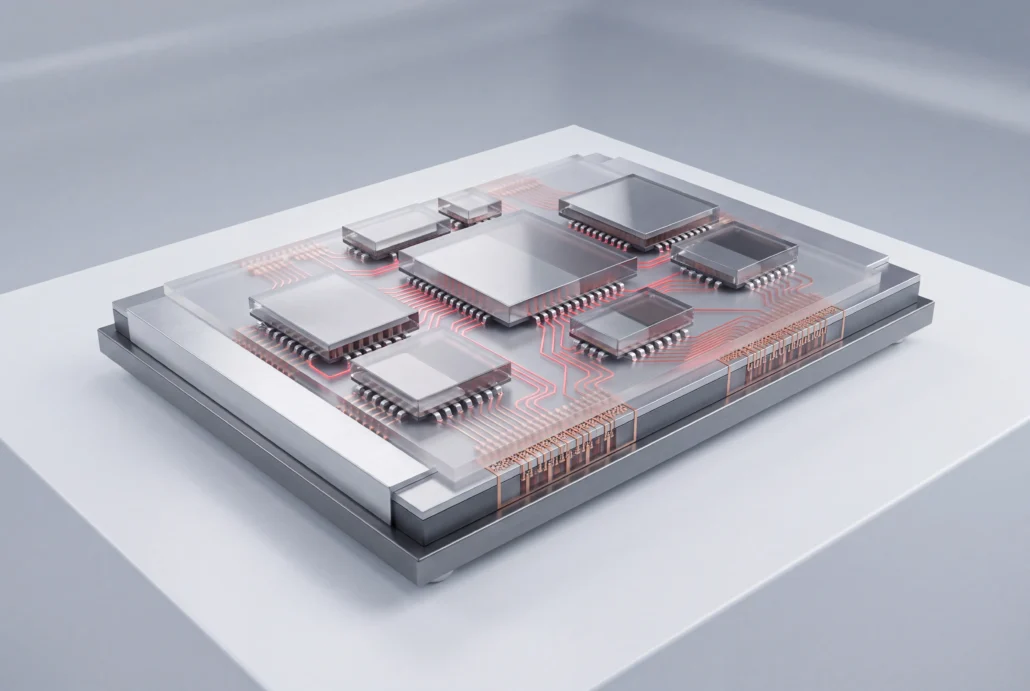
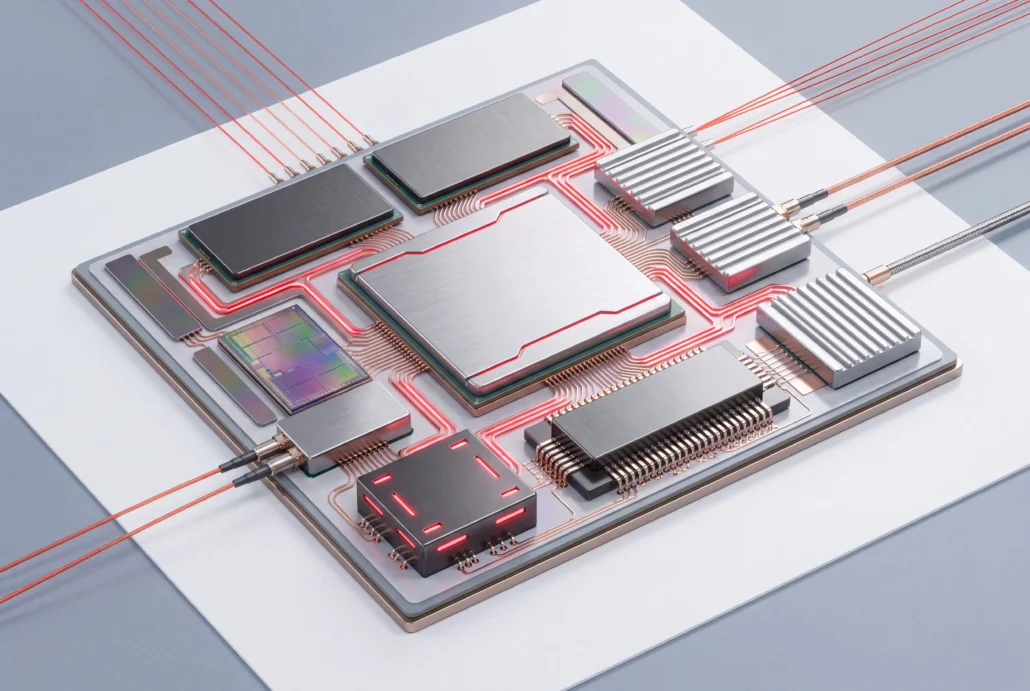
Model and optimize chiplets, interconnects, and 2.5D or 3D semiconductor packaging.

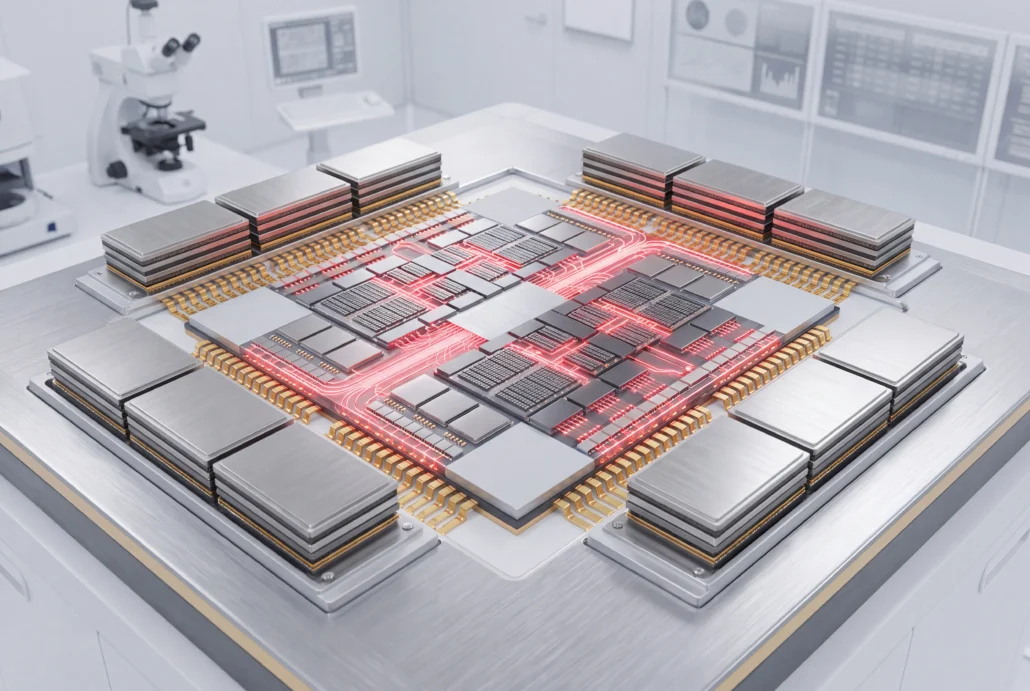
Develop high-performance, power-efficient semiconductor solutions for AI and data-intensive computing.

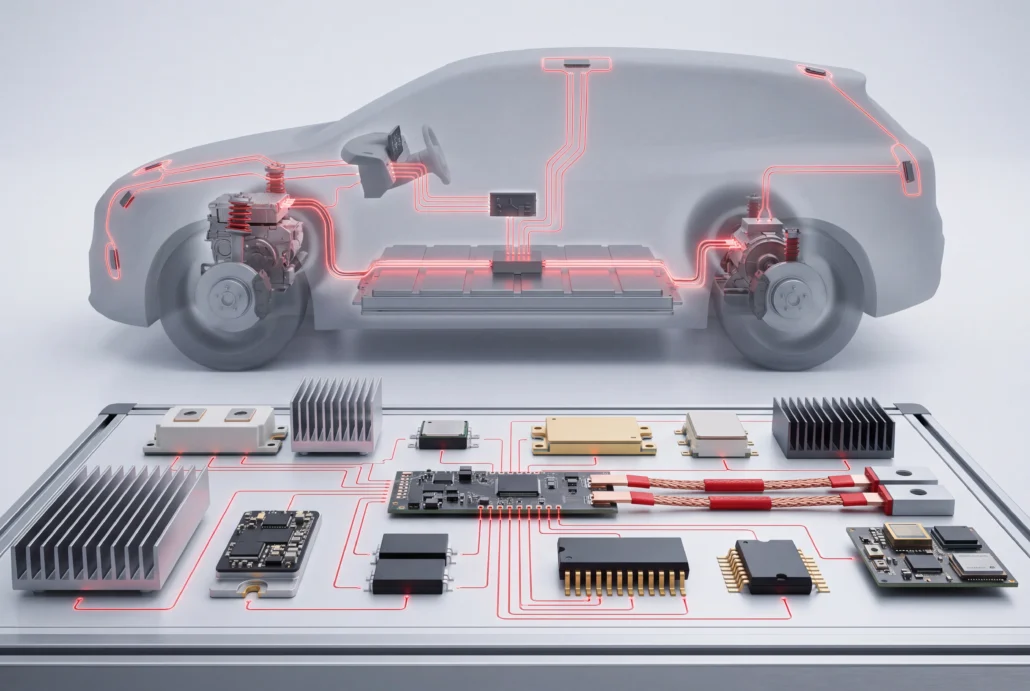
Design reliable semiconductor devices and circuits for electric vehicles, ADAS, connectivity, and control systems.

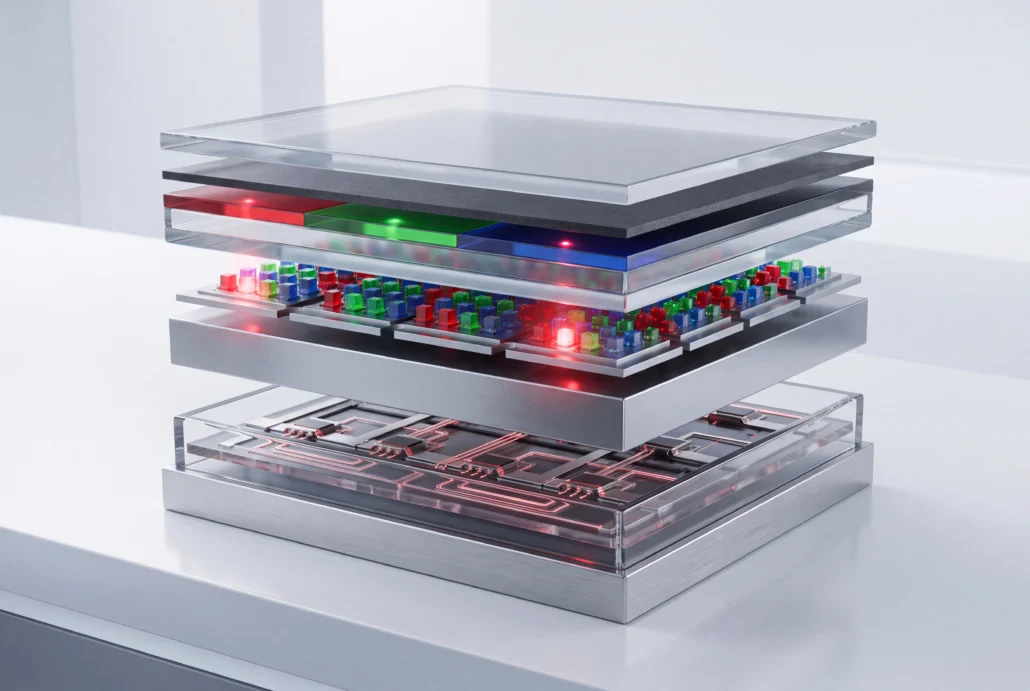
Simulate and optimize TFT, OLED, microLED, and other advanced display technologies.

Support process development, device modeling, PDK workflows, and manufacturing-ready semiconductor designs.

Develop efficient logic and memory technologies with accurate process, device, and circuit simulation.

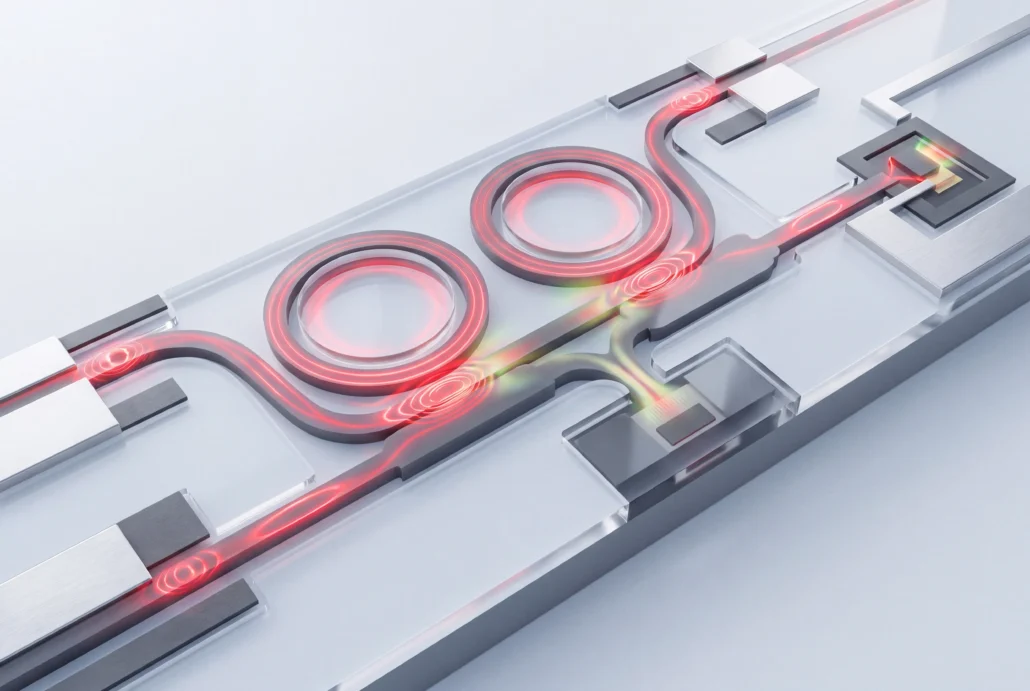
Model the interaction of light and electronics for photonic and optoelectronic device development.

Optimize silicon and wide-bandgap power devices for efficiency, reliability, and thermal performance.

Provide simulation and design tools for semiconductor education, experimentation, and advanced research.

Design and analyze analog, mixed-signal, and RF circuits for wireless communication systems.

Pick the market you build for, and the constraints that come with it.

Accelerate semiconductor insights through intelligent, data-driven modeling.

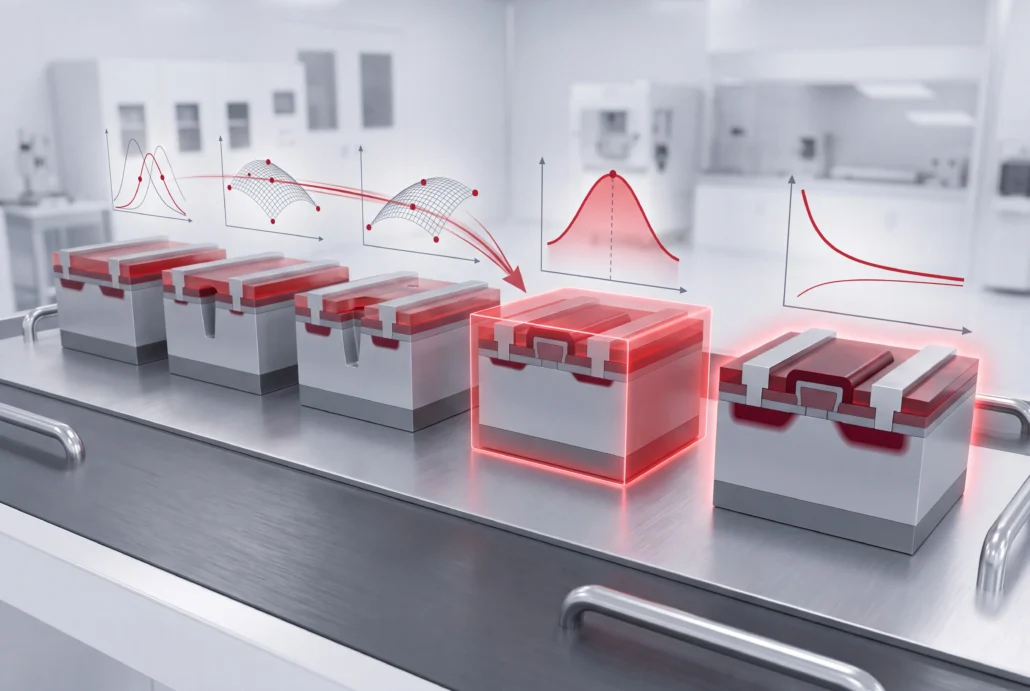
Explore process variables efficiently and identify optimal conditions.

Validate semiconductor designs for accuracy, reliability, and performance.

Predict device behavior across electrical, thermal, and physical conditions.

Optimize fabrication processes, devices, and manufacturing performance together.

Model light behavior and optimize advanced photonic devices.

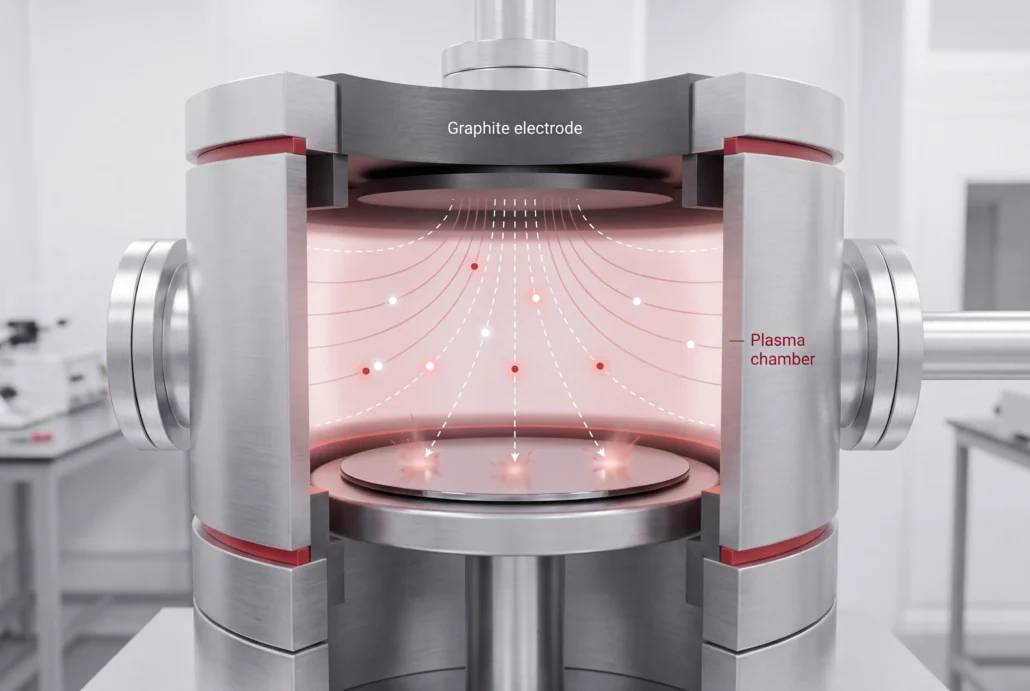
Simulate plasma processes for precise semiconductor fabrication.

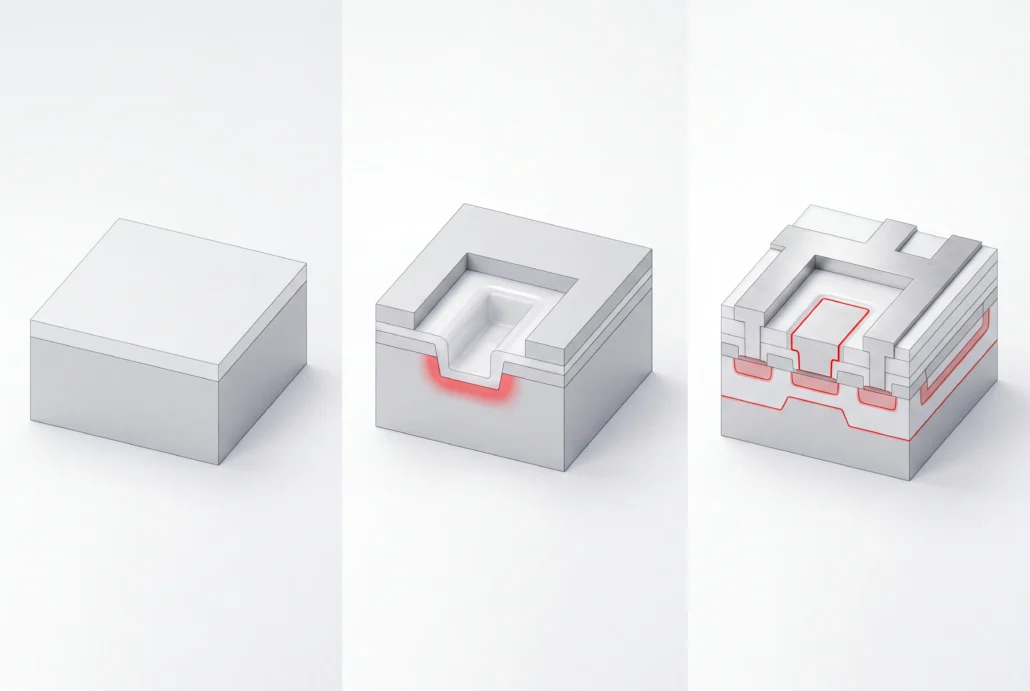
Replicate fabrication steps to evaluate structures and process outcomes.

Improve manufacturing efficiency, consistency, yield, and device performance.

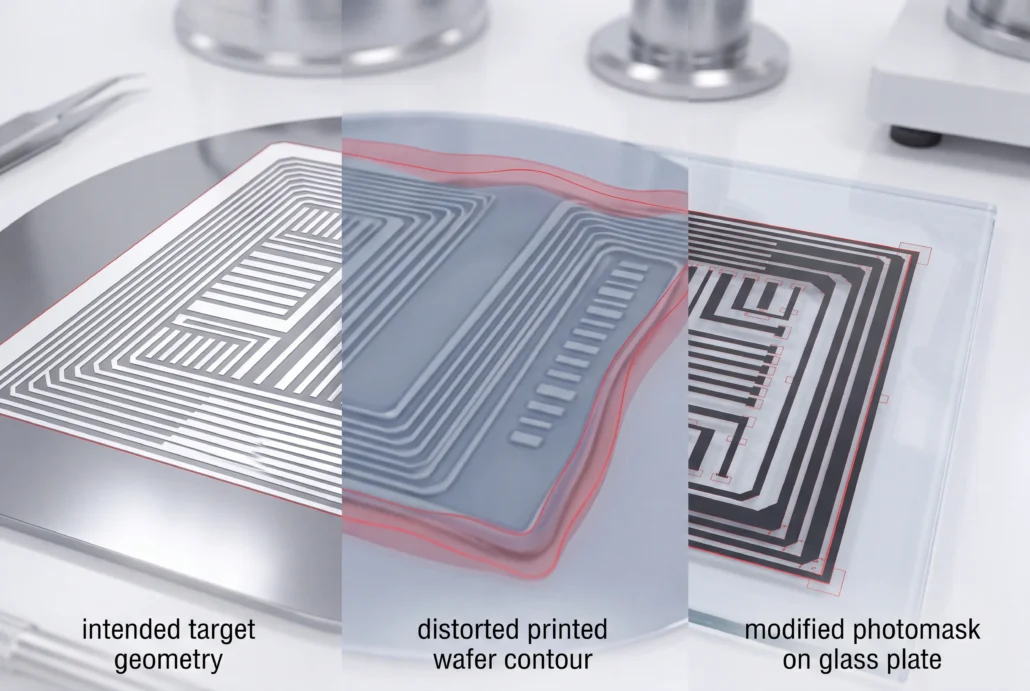
Correct process variations to improve patterning accuracy and consistency.

Access reusable, verified building blocks for faster chip development.

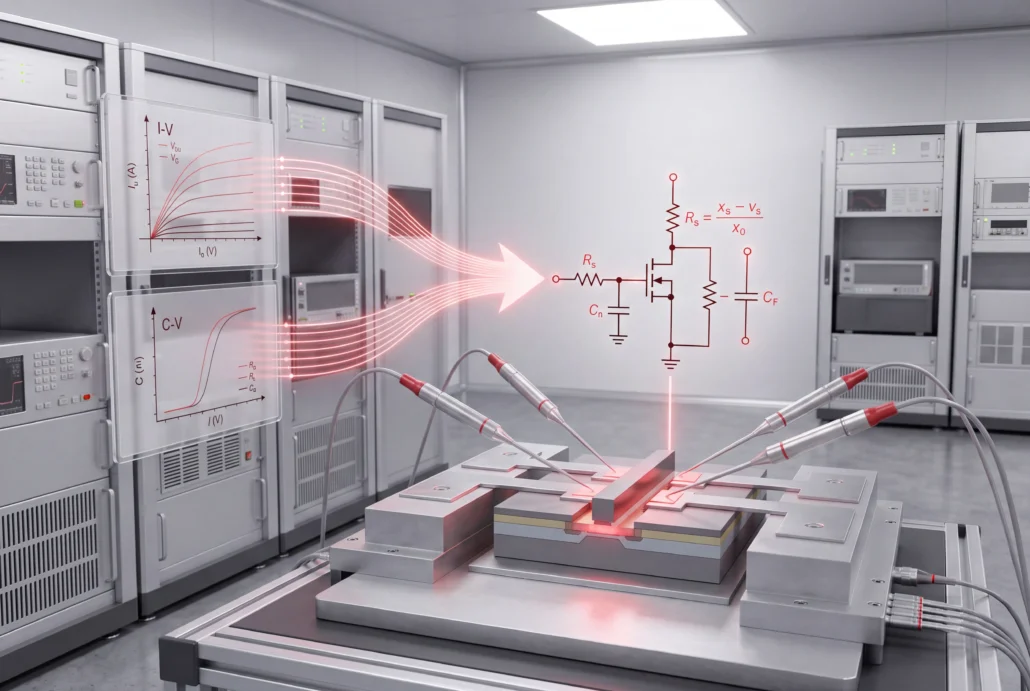
Generate accurate compact models for reliable circuit simulation.

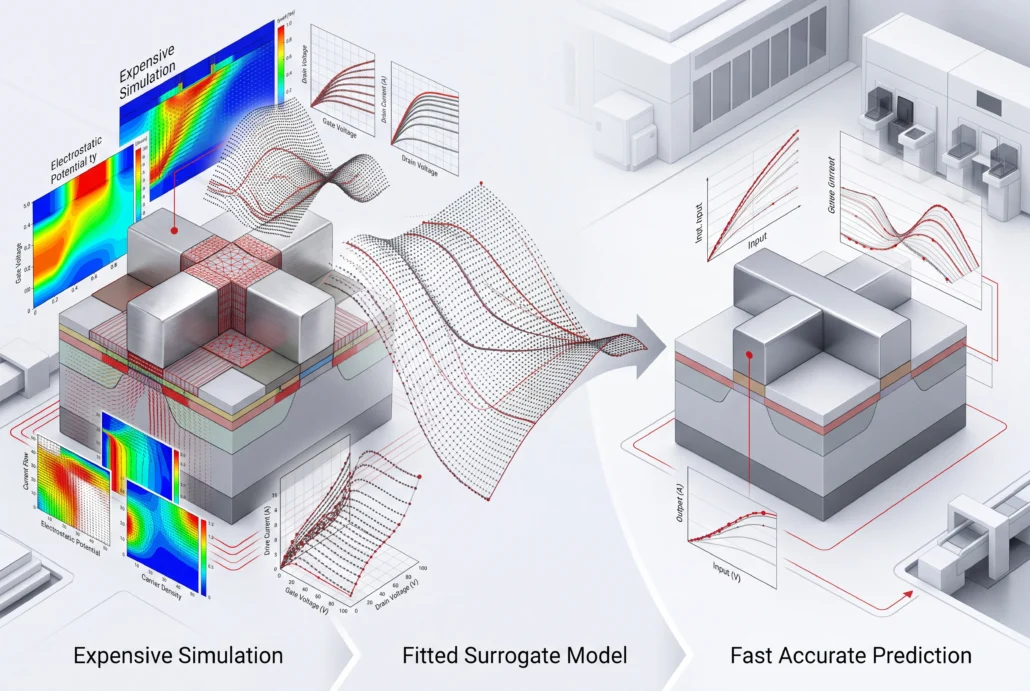
Replace complex simulations with fast, predictive approximations.

Simulate semiconductor processes and devices before physical fabrication.

Foundries, nodes and PDKs we support

Your foundry and node are either covered or they aren’t, and the table says which. Coverage can mean a PDK, a model library, a characterization kit or a qualified flow.

15 entries
Foundry Process or Node What's Supported Silvaco Product Status
amsAC18 (180nm)PDKAnalog and Custom ICAvailable
amsS35 (350nm)PDKAnalog and Custom ICAvailable
Tower SemiconductorCA13 (130nm)PDKAnalog and Custom ICAvailable
Tower SemiconductorSBC13 (130nm)PDKAnalog and Custom ICAvailable
Tower SemiconductorC*18 (180nm)PDKAnalog and Custom ICAvailable
Tower SemiconductorSBC18 (180nm)PDKAnalog and Custom ICAvailable
Tower SemiconductorTS18 (180nm)PDKAnalog and Custom ICAvailable
Tower SemiconductorBCD25 (250nm)PDKAnalog and Custom ICAvailable
Tower SemiconductorCA25 (250nm)PDKAnalog and Custom ICAvailable
Tower SemiconductorSBC35 (350nm)PDKAnalog and Custom ICAvailable
X-FABX*018 (180nm)PDKAnalog and Custom ICAvailable
X-FABX*035 (350nm)PDKAnalog and Custom ICAvailable
X-FABCX06 (600nm)PDKAnalog and Custom ICAvailable
X-FABX*06 (600nm)PDKAnalog and Custom ICAvailable
YITOA Micro TechnologyMTC_035_3P3_5V_CMOSPDKAnalog and Custom ICAvailable

Customer results

Simulation Standard

Read the technical evidence

Nothing here is gated. No form before the PDF.

How an evaluation works

Tell us the device and the flow

Send what you already have: a netlist, measured data, or the process flow itself. Add your node and foundry.

An application engineer runs your case

A named Silvaco application engineer takes your data and builds the structure or model from it. Not a canned demo, and not somebody else’s test case.

You evaluate on your own data

You run it under license on your own hardware, with engineer support, and a scoped quotation at the end.

Silvaco does not offer a free download or a self-serve trial. Every evaluation runs on your own device data with an application engineer attached.

Bring us the hard one

If the question you came with isn’t on this page, it’s still worth asking. Our application
engineers work on device physics, process flows and IP integration every day, and
they’ll tell you straight whether Silvaco fits your case.

Questions that come up before an evaluation

What is semiconductor simulation?

Semiconductor simulation predicts how a process, device or circuit will behave before it exists in silicon. It covers process and device physics, SPICE-level circuit simulation, and the model extraction that connects the two. Silvaco builds software across all three.

TCAD is the specialist tool: full multiphysics accuracy for process and device work, run by people who do it daily. FTCO carries that same physics into AI-accelerated models, so a fab or process engineer gets the answer without queuing for a specialist. It widens who can reach the physics rather than replacing the tool.

Check the foundry, node and PDK table for current coverage, including PDKs, model libraries, characterization kits and qualified flows. If yours isn’t listed, ask. You’ll have a confirmed answer inside two working days.

Yes. Silvaco Design IP includes MIPI interface IP from Mixel, which has been building MIPI PHYs since 1998 and has silicon in twelve process nodes across nine foundries. The families are D-PHY, C-PHY, CSI-2 and DSI.

No. Silvaco doesn’t publish a trial download. An application engineer sets up a licensed evaluation on your machines instead, so what you test is your case rather than a prepared demo.

Yes. Silvaco runs a separate academic track, already in use at more than 200 universities, with its own licensing and request path rather than the standard commercial sales process.

Semiconductor device modeling works at the physics level: how one transistor or diode behaves under bias, temperature and process variation. Circuit simulation works a level up, solving how many of those devices behave together. SPICE model extraction is the bridge between them.