SURGE Virtual Event North America 2025

Silvaco will hold its annual SURGE users event for North America on February 24, 2026, 9:00am – 11:30AM.

Silvaco SURGE unites the semiconductor development and design community to explore how Silvaco’s simulation and IP solutions accelerate their R&D and design efforts.

Click on each session or speaker below to learn more.

AGENDA

General Session
Time Topic Speaker
9:00 AM Introduction and Agenda  
9:10 AM Enhancing Complex Product Development with AI and EDA Tools Wally Rhines, Silvaco, Inc.
9:30 AM Keynote - Memory Innovations: Empowering the AI Revolution to drive Chip Technology Development Gurtej Sandhu, Micron Technology, Inc.
Ramping Manufacturing to Production Using Physics-based Digital Twins Track
Time Topic Speaker
10:00 AM Ramping Manufacturing to Production Using Physics-based Digital Twins Garrett Schlenvogt, Silvaco, Inc.
10:30 AM Unique Needs and Opportunities for Fab Technology Co-Optimization in Technology Development and Manufacturing Dr. Sumeet C. Pandey, Micron Technology, Inc
11:00 AM​ Unified 3DEXPERIENCE Platform for Accelerating Semiconductor Manufacturing Innovation

Morteza Mosheni, Ph.D and Emmanuel Leroux, Ph. D, WW EDA Simulation Strategy Leader

11:30 AM​ Advanced Logic FinFET/Nanosheet Simulation with Silvaco Victory Tools Zhenhua Wu,Zhejiang University
Enabling Advanced Circuit Designs Track
Time Topic Speaker
10:00 AM Enabling Advanced Circuit Designs Silvaco, Inc.
10:30 AM Accelerating Standard Cell Migration with Silvaco CellForge 2D: DRC Cleanup and Layout Optimization Across Architectures Navneet Jain, GlobalFoundries, Inc.
11:00 AM​ To Be Announced Jason Messier, Teradyne
11:30 AM​ To Be Announced  
Accelerating Next Generation Power Technologies Track
Time Topic Speaker
10:00 AM Accelerating Next Generation Power Technologies 10:30 AM TCAD-Driven Development of Next-Generation Vertical GaN Power Devices Marc Gensch, Fraunhofer ISIT
11:00 AM​ Silicon’s Enduring Edge: Advanced SuperQ Power Device Development and Interface Trap Extraction Using SILVACO TCAD Stan Soloviev, Ideal Semiconductor
11:30 AM​ Using Victory 3D Simulation in 375V Partial SOI SJ LDNMOS Breakdown Voltage Study Dr. Elizabeth Kho Ching Tee, X-FAB Sarawak Sdn Bhd

Agenda subject to change.

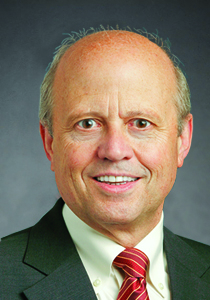
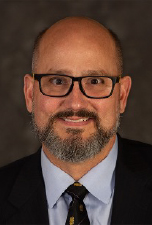
Dr. Walden “Wally” C. Rhines
Chief Executive Officer and Director, Silvaco, Inc.

Walden C. Rhines, Ph.D., has served as our Chief Executive Officer since August 2025, and as a member of our board of directors since September 2022. From March 2020 to June 2025, Dr. Rhines served as President and Chief Executive Officer of Cornami, Inc., a fabless semiconductor company. Since 2015, Dr. Rhines has also served as a member of the board of directors and as chair of the compensation committee of Qorvo, Inc. (Nasdaq: QRVO), a semiconductor company, since January 2015 and its chairman since November 2023. He served as a member of the board of directors of PTK Acquisition Corp. (NYSE: PTK), a special purpose acquisition company from July 2020 until September 2021 and served on its audit, nominating and compensation committees. From October 1993 to March 2017, Dr. Rhines served as President and Chief Executive Officer of Mentor Graphics Corporation, an EDA company, and chairman of its board of directors from 2000 until its acquisition by Siemens in March 2017, pursuant to which the company was renamed Mentor Graphics, a Siemens Business. Following the acquisition, Dr. Rhines served as President and Chief Executive Officer of Siemens EDA (formerly Mentor Graphics, a Siemens Business), from March 2017 to October 2018, after which he served as its Chief Executive Officer Emeritus until September 2020. Dr. Rhines received a B.S.E. in metallurgical engineering from the University of Michigan, an M.S. and Ph.D. in materials science and engineering from Stanford University, and a M.B.A. from the Southern Methodist University, Cox School of Business.

Memory Innovations: Empowering the AI Revolution to drive Chip Technology Development

Abstract:

In this talk, we will explore the pivotal role of memory innovations in driving the AI revolution, highlighting how advancements in DRAM, NAND, and high-bandwidth memory are enabling unprecedented growth in compute capabilities. The exponential and super-exponential increases in data and memory demands fueled by AI applications will be discussed, including the shift in compute architecture towards GPU-centric systems, and the critical importance of performance, capacity, and energy efficiency in memory technologies.

The speaker outlines the transition from planar to 3D memory structures, the integration of novel materials, and the adoption of advanced packaging techniques to meet future requirements. Emphasis is placed on the necessity of AI-driven modeling and digital twins to accelerate chip development, manage complexity, and optimize fab operations, underscoring the need for ecosystem collaboration to sustain innovation and address the challenges of next-generation memory and compute solutions.

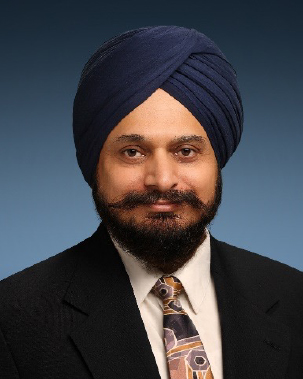
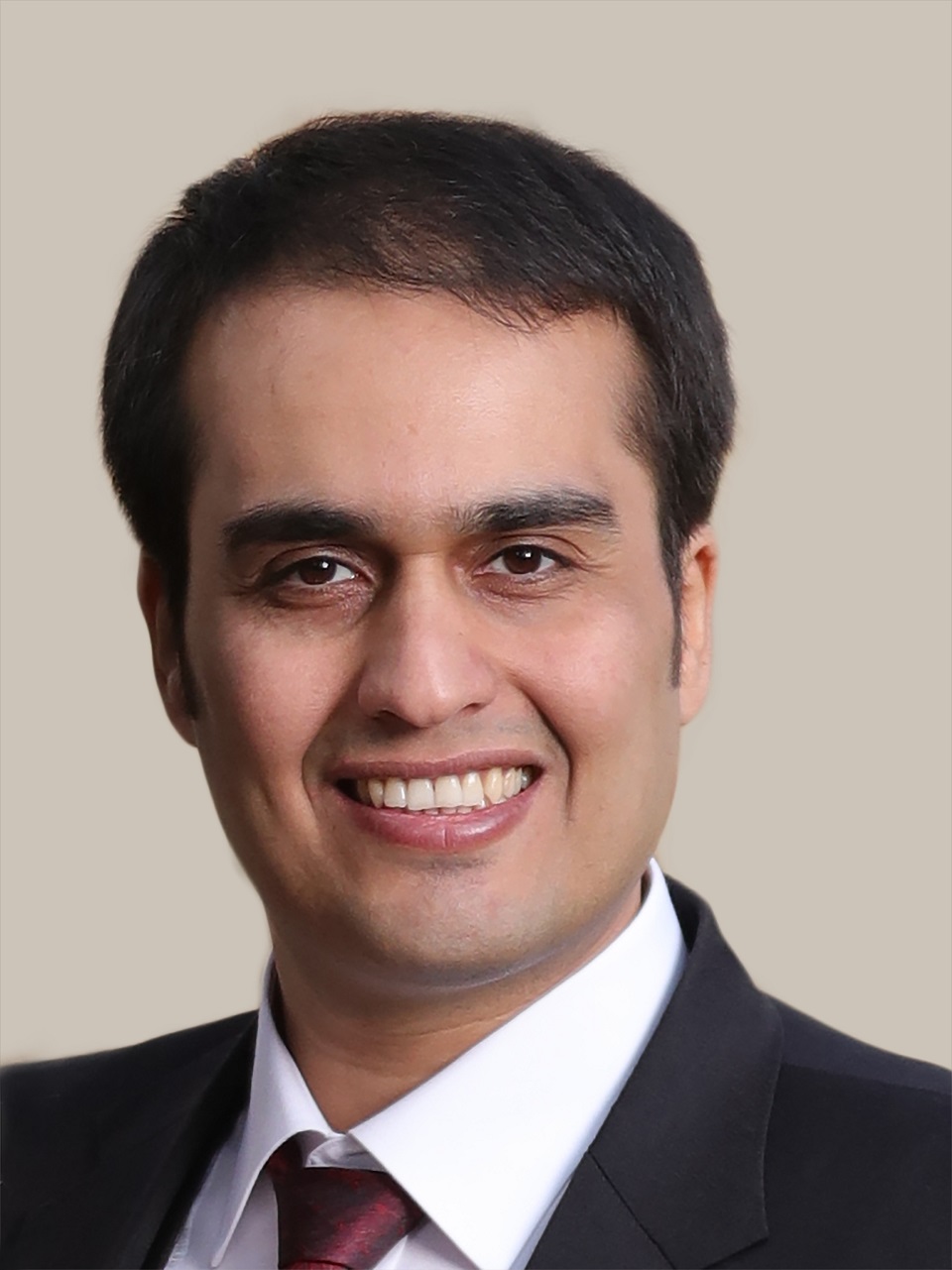
Dr. Gurtej S Sandhu
Principal Fellow and CVP, Technology Development,  Micron Technology, Inc.

Gurtej Sandhu is Principal Fellow and Corporate Vice President at Micron Technology. In his current role, he is responsible for Micron’s end-to-end (Si-to-Package) R&D technology roadmaps. The scope includes driving cross-functional alignment across various departments and business units to proactively identifytechnology gaps and ensure resourcing to execute on developing technology solutions. The responsibilities include driving state of the art methodologies to help develop complex technologies faster and more efficiently which entails managing Data and Domain modeling organizations to resource and execute on developing innovative tools for future memory scaling. Dr. Sandhu’s responsibilities also include managing interactions with research consortia around the world.

At Micron, Dr. Sandhu has held several engineering and management roles. He has been actively involved with a broad range of process technologies for IC processing and has pioneered several process technologies currently employed in mainstream semiconductor chip manufacturing.

Dr. Sandhu received a degree in Electrical Engineering at the Indian Institute of Technology, New Delhi, and a Ph.D. in Physics at the University of North Carolina, Chapel Hill, in 1990. He is a Fellow of IEEE and recognized as one of the top inventors in the world. In 2018, he received the IEEE Andrew S. Grove Award for outstanding contributions to silicon CMOS process technology that enables DRAM and NAND memory chip scaling.
.

Accelerating Next Generation Power Technologies

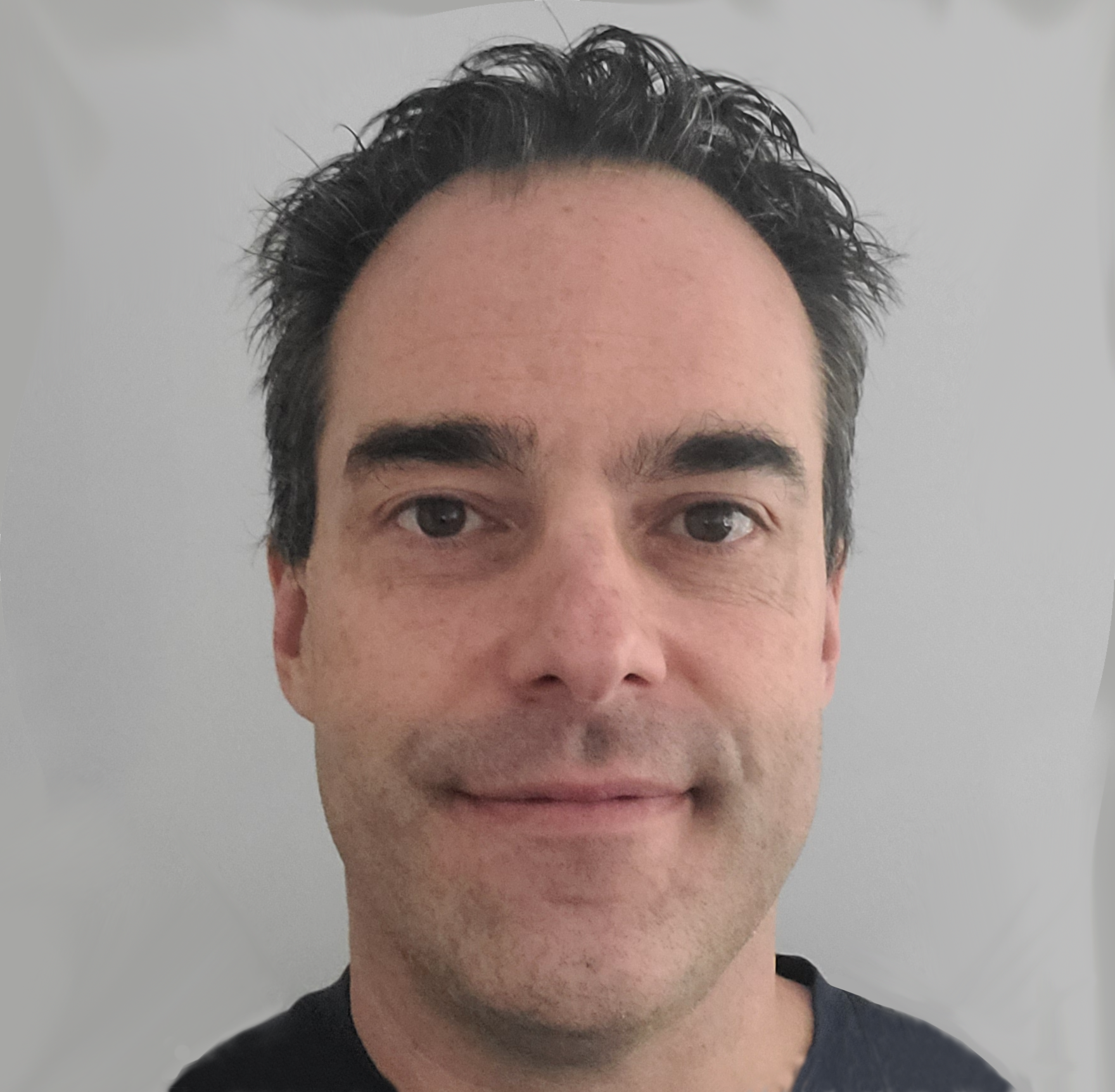
Britt Brooks
Power Applications Engineer, Silvaco, Inc.

Britt has been at Silvaco since November 2024. He is an FAE for Power devices. Britt started his career at Texas Instruments and was a compact modeling engineer for 25+ years and an IC modeling engineer working as factory support for the FAE teams for 6 years. He was the first chairman of the Compact Model Council (now Coalition) for 7 years. Britt came to Silvaco after 4 years at Wolfspeed in the R&D team, working on scaling and predictive modeling of SiC Power MOSFETs. Additional support activities for internal corner modeling and external modeling questions for both discrete and module products were also his responsibility.

TCAD-Driven Development of Next-Generation Vertical GaN Power Devices

Abstract

Next generation vertical GaN devices show great promise in increasing power delivery for electric vehicles, AI datacenters, and renewable energy infrastructure. In this presentation, Fraunhofer ISIT will discuss advancements in vertical GaN power device technology, with a special focus on the pivotal role of Silvaco Victory TCAD in the innovation process. As the demand for higher efficiency and current density in power electronics grows, physics base simulation workflows enable researchers to accurately model and optimize device structures, material properties, and process parameters before fabrication. This approach streamlines the development cycle, reduces costly iterations, and enhances device reliability by allowing for virtual prototyping of complex vertical GaN architectures. Ultimately, simulation serves as a bridge between theory and practical implementation, driving the successful realization of next-generation vertical GaN devices for high-performance applications.

Marc Gensch
Fraunhofer ISIT

Marc Gensch is a Research Associate and Project Leader at Fraunhofer ISIT within the Advanced Devices Group. He holds a B.Sc. and M.Sc. in Physics from the University of Hamburg and earned his doctorate at the Technical University of Munich in cooperation with DESY. Marc’s work focuses on integrating ferroelectric AlScN layers into innovative device architectures, as well as advancing GaN HEMT and vertical GaN device development. At Fraunhofer ISIT, he leads projects such as VerGaN and PowerCare and contributes to initiatives like NeuroSmart & Scaling and APECS, driving progress in next-generation semiconductor technologies.

Silicon’s Enduring Edge: Advanced SuperQ Power Device Development and Interface Trap Extraction Using SILVACO TCAD

Abstract:

Despite ongoing predictions that wide-bandgap materials will soon eclipse silicon in power device applications, silicon continues to demonstrate remarkable innovation and staying power in the semiconductor industry. As highlighted in the recent article “Reports of Silicon’s Death Have Been Greatly Exaggerated,” new technological advances in silicon device architectures—such as SuperQ Technology—are enabling unprecedented cost and performance improvements, outpacing legacy designs while leveraging the vast experience and infrastructure established for silicon processing. This enduring relevance underscores the motivation for our work: applying advanced TCAD methodologies to push the limits of silicon power device performance.

In this study, the SILVACO TCAD platform—including Victory Process, Victory Device, Victory DOE, Victory Analytica, and Mixed-Mode Simulation—was leveraged to accelerate the design and in-depth modeling of SuperQ-based silicon power devices. The focus was on test diode structures with deep trenchs, where accurate matching of simulated and experimental capacitance-voltage (C–V), conductance-voltage (G–V), and current-voltage (I–V) curves was essential for extracting interface trap distribution parameters along the trench sidewalls. The iterative workflow made intensive use of Victory DOE and Analytica modules: DOE facilitated systematic simulation of key process and physical parameters, while Analytica enabled statistical analysis and multi-dimensional data mining, leading to the best-fit parameter sets for trap distributions.

Mix-Mode Simulation was employed to directly model dynamic and steady-state characteristics under realistic boundary conditions. The result was a robust methodology that resolved key discrepancies between modeled and measured C–V, G–V, and I–V behavior, providing crucial insights into interface physics and charge dynamics in next-generation devices.

This work underscores the critical role of SILVACO’s integrated simulation and analytics suite in advancing silicon power device design, reducing development cycles, and enabling physically guided optimization of complex device architectures.

Stanislav I. Soloviev, PhD
Ideal Semiconductor

Stanislav I. Soloviev, PhD, is a Senior Device Engineer specializing in semiconductor device design, process integration, and material characterization. He has significantly advanced charge-balanced structures and edge termination techniques for high-voltage power devices. His expertise encompasses failure mode effects analysis, root-cause identification, and yield improvement in high-volume manufacturing. Dr. Soloviev earned his PhD in Electrical Engineering from Taganrog Institute of Technology and has authored over 50 peer-reviewed publications and holds 10 patents

Using Victory 3D Simulation in 375V Partial SOI SJ LDNMOS Breakdown Voltage Study

Abstract:

Building on our earlier demonstration of combining partial SOI and SJ technologies to create a highly effective high-voltage LDMOS platform, new challenges arise at operating voltage goes to 375 V. At these higher voltages, device performance becomes significantly more sensitive to the handle-wafer diode potential, and conventional 2D, repeatable termination structures are no longer sufficient, as confirmed by experimental results.

To overcome these limitations, we developed a completely new 3D termination architecture. Using advanced 3D TCAD, we identified out-of-plane electric-field crowding caused by 90-degree bending of potential lines toward the device midpoint, leading to termination hot-spots. Addressing this required full 3D physical modeling; however, the device size, deep-trench isolation geometry, floating silicon regions, and extensive silicon/oxide interfaces made standard full-domain 3D simulation impractical. A novel domain-decomposition methodology using Silvaco Victory 3D TCAD finally tackle this issue. The device is partitioned into smaller sub-domains, enabling accurate Monte Carlo implantation and physical annealing simulations. These process-simulated elements are subsequently merged and re-meshed for complete 3D device simulation, allowing accurate representation of the complex termination structure and successful optimization to breakdown voltage of 460 V.

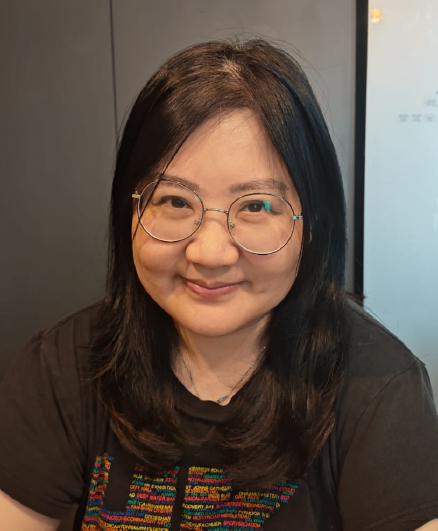
Dr. Elizabeth Kho Ching Tee
Member of Technical Staff in High Voltage Process Development team, X-FAB Sarawak Sdn Bhd

Dr. Elizabeth Kho Ching Tee has nearly two decades of experience in power semiconductor device research and development. She has led major advancements in Superjunction and partial SOI technologies and contributed to the development of integrated power devices, including lateral IGBTs, RESURF LDMOS, and Superjunction LDMOS on PSOI. More recently, she has expanded her work into SiC MOS devices. Dr Elizabeth holds five patents and has authored 18 publications in leading journals and conferences.

Click here to add your own text

Accelerating Standard Cell Migration with Silvaco CellForge 2D: DRC Cleanup and Layout Optimization Across Architectures

Abstract:

CellForge 2D from Silvaco is an interactive layout DRC cleanup and optimization tool enabling migration of standard cell layouts between cell architectures that share similar routing structures. With the unique capability of the cell template and rules definitions, standard cells can be migrated from one architecture to another architecture within the same technology node as well as from another technology node. With its powerful layout cleanup engine, layout is rendered DRC clean and helps layout optimization. Design rules for layout patterns involving Poly (gate) geometry restriction, contacts, vias, active regions, jogs are optimized for a given initial layout either migrated from another architecture or simply from a different track height. It supports advanced lithography patterning and design constraints flexibility to customize the layout design rules flow through TCL scripting API. Integration with signoff/layout editing environments for LVS, DRC, abutment checks, and extraction flows.

Using Silvaco’s CellForge 2D, GlobalFoundries was able to save weeks migrating a 130nm standard cell layout library from short gate length, low voltage (LV) cells library to large, asymmetric gate length high voltage (HV) cells. The tool enabled optimization of redundant contacts, conflict resolution with interactive transistor width, contact placements and poly gate adjustments with cell width. With its DRC-correcting automation and scaling scripts, CellForge 2D saves both the time and tedium involved migrating cells from one technology to another, and one architecture to another. In another application of CellForge 2D, standard cell track migration is achieved seamlessly saving layout design time.

Navneet Jain
Distinguished Member of Technical Staff – GlobalFoundries, Inc.

Navneet Jain is a Distinguished Member Technical Staff at GlobalFoundries, Inc, Santa Clara, since 2009. He holds a PhD and MTech in EE form IIT Delhi, India and BE(Hons) in EEE from BITS Pilani, India. He has over 25 years of experience in the field of circuit/logic design, optimization and methodologies for timing closures for microprocessors and graphics chip design at SGI, Transmeta, AMD, SGI, Software &Technologies (Duet) and Center for Applied Research in Electronics (CARE) at IIT Delhi. At GlobalFoundries he has architected and productized standard cells libraries in 22FDX, 12LPP, 45SPCLO, RF SOI, Bulk CMOS, and SiGe including several test chips for FAB silicon validations with emphasis on developing ultra-lower and low leakage design. Navneet has over 30 patents and 10 publications in IEEE transactions and international conferences. He is designated as Master Inventor and also a recipient of the CEO award at GlobalFoundries

Click here to add your own text

Ramping Manufacturing to Production using Physics-based Digital Twins

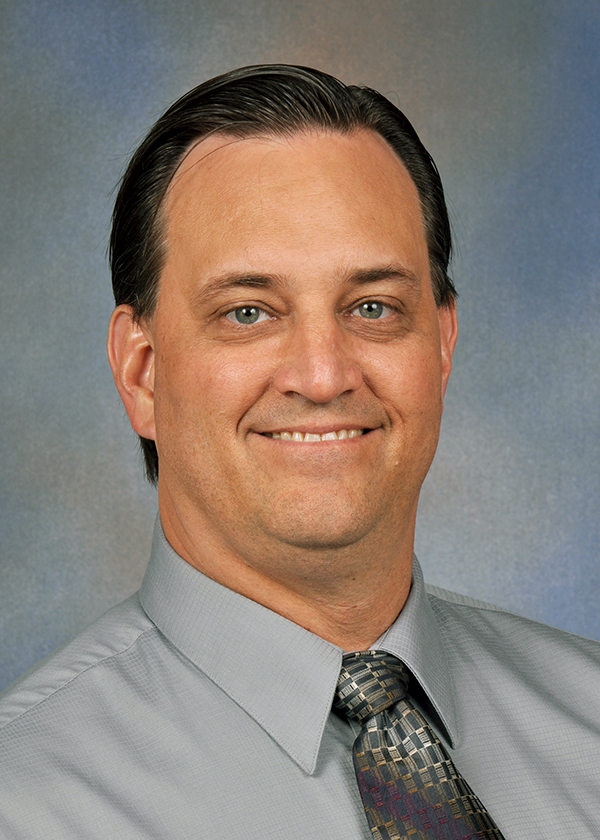
Garrett Schlenvogt
Vice President of Worldwide Field Applications Engineering, Silvaco, Inc.

Garrett Schlenvogt, Ph.D., has been Vice President of Worldwide Field Applications Engineering since 2024, overseeing global FAE operations, including technical presales and support. Previously, he served as Director of Worldwide Field Applications Engineering. Since joining Silvaco in 2013, he has held various leadership positions and led research collaborations with academic and commercial institutions. Before Silvaco, he researched radiation and reliability simulation of CMOS technologies for implantable medical devices. Dr. Schlenvogt earned his BSE, MS, and Ph.D. in Electrical Engineering from Arizona State University.

Unique Needs and Opportunities for Fab Technology Co-Optimization in Technology Development and Manufacturing

Abstract:

This talk will provide an overview of Advanced Modeling and AI Solutions that may become critical tools to sustain the cadence and efficiency of developing technology nodes for manufacturing. A Fab Technology Co-Optimization (FTCO) example will be covered in detail demonstrating the unique requirements from such a solution and the opportunities to create significant business value. As FTCO sees further adoption, more industrial inputs will be needed to define the modeling roadmap and the collaboration across the ecosystem essential to timely develop and leverage these capabilities.

Dr. Sumeet C. Pandey
Distinguished Member of Technical Staff, Technology – Advanced Modeling and Artificial Intelligence Solutions – Micron Technology, Inc.

Sumeet Pandey is Distinguished Member of Technical Staff at Micron Technology in Boise, ID. He is lead responsible for innovation, development, deployment, and application of Advanced Modeling and AI solutions (AMAIS)for next-generation memory and storage technologies, including packaging interactions across DRAM, HBM, and NAND. The AMAIS team’s efforts encompass comprehensive (domain + data) modeling across process, materials, integrated structures and modules, through yield optimization, as well as thermomechanical reliability across new designs. These objectives are realized through an innovative integration of multiscale and multiphysics computational modeling with data-driven machine learning, deep learning, and AI techniques on precisely architected compute/AI infrastructure. ​

At Micron, Sumeet has held diverse roles, beginning with industry-first density functional theory (DFT)-based atomistic modeling for emerging memory technologies such as ReRAM, CBRAM, STT-RAM, PCMO, Phase Change, and Ferroelectric. He subsequently contributed to model-guided development for DRAM Cell, NAND, HBM BEOL, as well as software framework and hardware infrastructure for predictive unit process modeling andscaled metal line resistance. ​

Dr. Pandey earned his Ph.D. in Chemical Engineering from the University of Massachusetts-Amherst. He is credited with over 70 patents, six innovation awards, COMSEF GS and MRX EI recognitions, more than 30 journal publications, 30 technical conference presentations, and eight invited talks/tutorials. His ongoing involvement includes fostering University and Research consortia interactions, along with serving as a member and reviewer for over 12 external journals and affiliation with various professional societies​

. ​

Unified 3DEXPERIENCE Platform for Accelerating Semiconductor Manufacturing Innovation

Abstract:

In the semiconductor industry, precision in design and control in manufacturing are essential for innovation, efficiency, and yield. In this talk, we highlight some of Dassault Systems’ capabilities to sustain and accelerate semiconductor manufacturing innovation. This includes among other things, fluid flow simulations to assess particle transport and contamination risks inside Fabs; plasma simulations for etching and deposition to optimize material removal and material growth processes; deformation analysis during wafer cleaning to prevent breakage and defects; and chemical mechanical planarization (CMP) simulations to ensure surface uniformity. Powered by the 3DEXPERIENCE® platform, these solutions deliver an end-to-end virtual environment that reduces variability, improves yield and device performance, and uniquely closes the design to manufacturing loop through continuous, data driven feedback and rapid process optimization.

Morteza MOHSENI, Ph. D  

Emmanuel LEROUX , Ph. D  
SIMULIA Strategy Director – WW EDA Simulation Strategy Leader

Advanced Logic FinFET/Nanosheet Simulation with Silvaco Victory Tools

Abstract:

As Moore’s Law pushing semiconductor technology forward, transistor architectures have entered the three-dimensional era. While FinFETs have long dominated advanced nodes, the sub-3nm era also features Gate-All-Around (GAA) nanosheet transistors, enabling continued scaling. This SURGE talk presents a comprehensive workflow for modeling and simulating these cutting-edge devices using Silvaco Victory TCAD.

We focus on key physical effects and models critical for accurate device representation, including quantum confinement, band structure corrections, strain engineering, and mobility degradation. Powered by Silvaco Victory Device, we demonstrate how simulations can be calibrated and validated against experimental data. Finally, we show how Victory Analytics and Fab Technology Co-Optimization (FTCO™) enable multi-dimensional process-design exploration, accelerating device development, improving yield, and optimizing process windows for next-generation high-performance, low-power logic ICs.

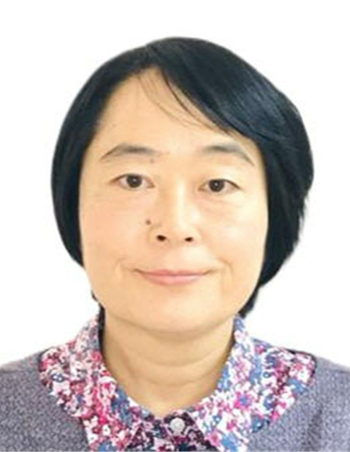
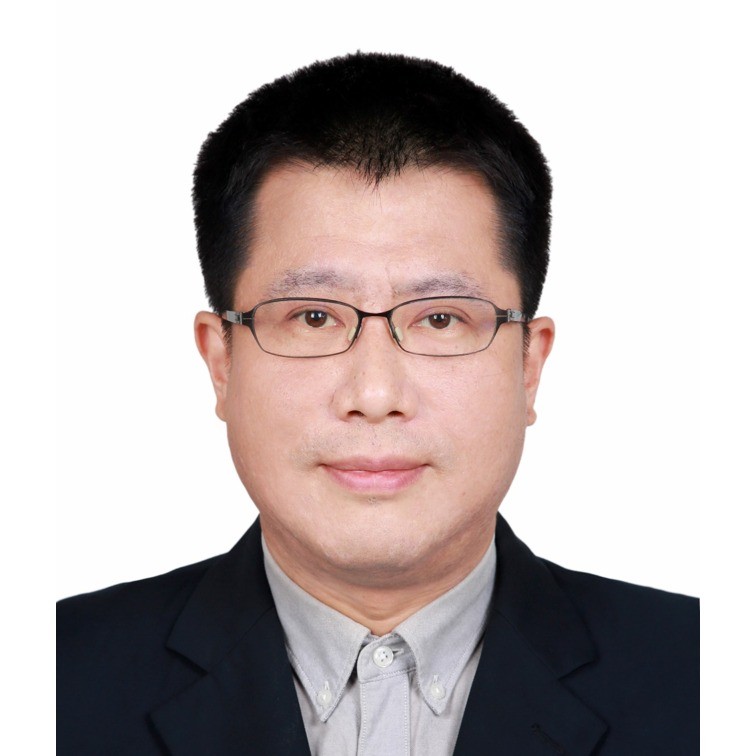
Zhenhua Wu, Professor
Zhejiang University

Zhenhua Wu is a professor with the Zhejiang University. He received his Ph.D. degree in Chinese Academy of Sciences, Beijing, China, in 2011. He joined Semiconductor Research and Development Center, Samsung Electronics, Suwon, South Korea, from 2011 to 2016, and then joined the Institute of Microelectronics, Chinese Academy of Sciences. In 2024, he joined the Center for quantum matters, Zhejiang University, Hangzhou, China. His current research interests include advanced semiconductor manufacturing technology, quantum transport simulation of nanoscale transistors and AI-Augmented TCAD simulation method. His works have been published in IEEE EDL/TED, PRL/PRB/PRApplied, APL/JAP, Nat.Mat/Comm etc., or presented EDTM/SISPAD/IEDM/VLSI etc., conferences. In 2024, He was listed among Elsevier’s top-2 % scientists worldwide.

© Copyright 1984- Silvaco Group, Inc. All Rights Reserved. | Privacy Policy